tencent cloud

Tencent Big Data Suite
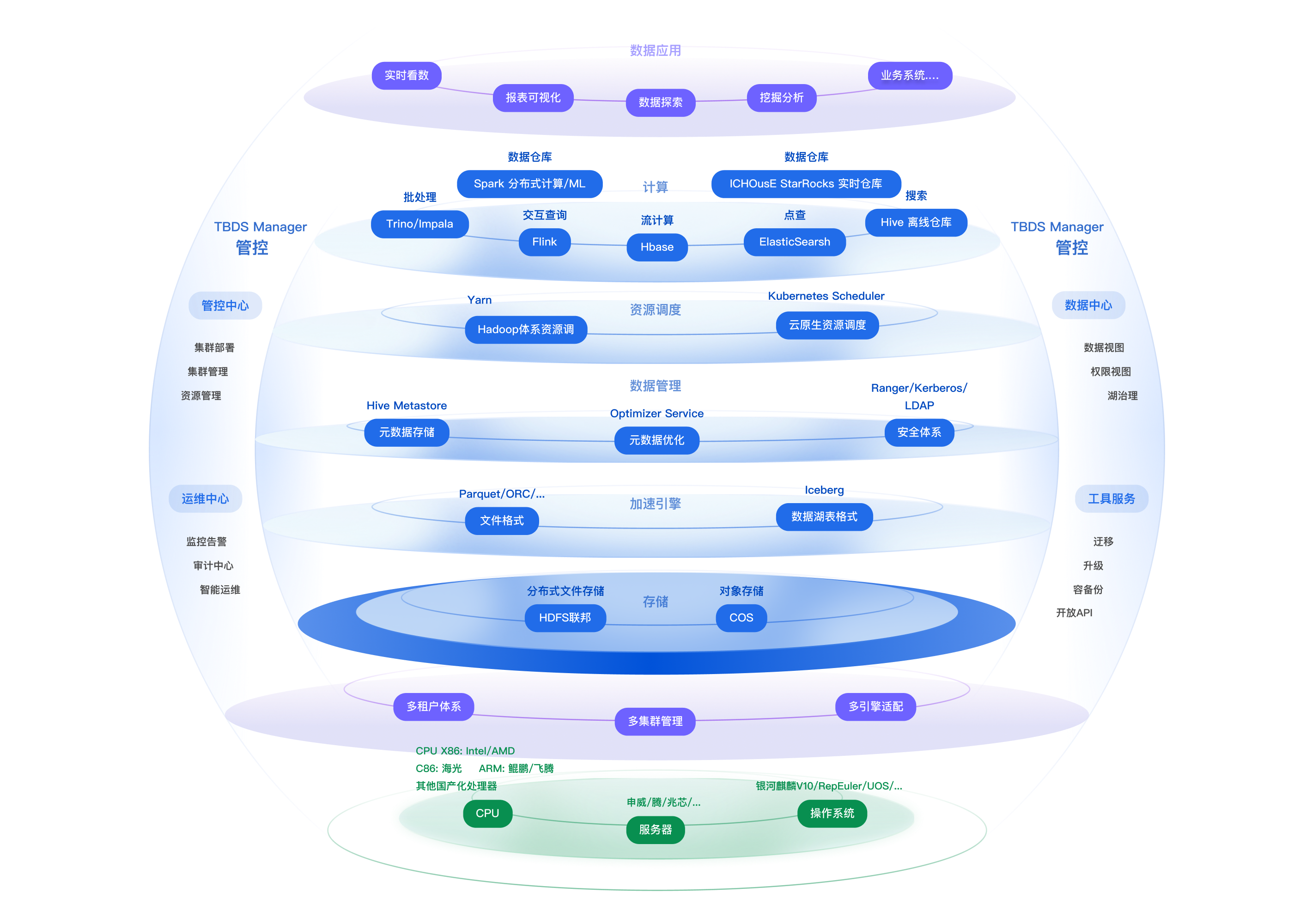
Tencent Big Data Suite (TBDS) is built on Tencent’s years of practical experience in big data, providing enterprises with a secure, reliable, and intelligent platform for big data storage, computation, and analysis. TBDS adopts a pan-Hadoop ecosystem-compatible technology stack and offers a lakehouse solution covering all scenarios. It deeply leverages Multimodal Data integration capabilities to support enterprises in intelligent exploration and innovation in big data scenarios.
Why Choose TBDS
Multimodal
Provide a full-stack big data engine that can be flexibly configured on demand, fully compatible with the open-source Hadoop standard ecosystem. Support upgrading to a multimodal big data platform for unified management of unstructured/structured data. By encapsulating models with UDF functions, hybrid analysis of multimodal data through SQL can be implemented.
Multimodal
Provide a full-stack big data engine that can be flexibly configured on demand, fully compatible with the open-source Hadoop standard ecosystem. Support upgrading to a multimodal big data platform for unified management of unstructured/structured data. By encapsulating models with UDF functions, hybrid analysis of multimodal data through SQL can be implemented.
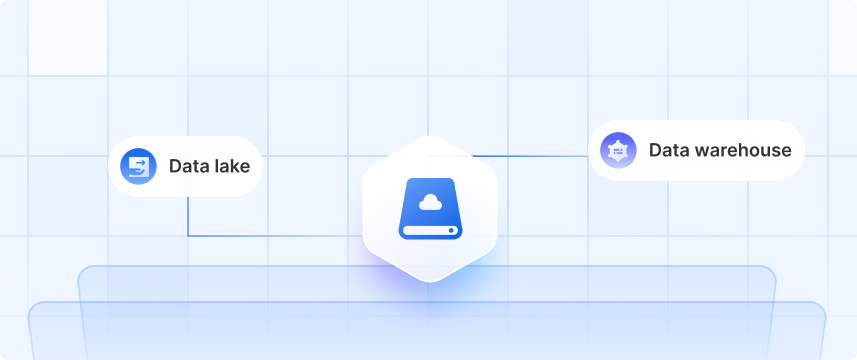
Lakehouse Architecture
Support unified resource scheduling across clusters with second-level start/stop and scaling. Provide elastic scaling control with multi-level resource isolation, allowing storage and computing resources to scale elastically according to resource dynamics and scaling policies. The built-in agile exploratory analysis makes it easy to uncover the value of data.
Lakehouse Architecture
Support unified resource scheduling across clusters with second-level start/stop and scaling. Provide elastic scaling control with multi-level resource isolation, allowing storage and computing resources to scale elastically according to resource dynamics and scaling policies. The built-in agile exploratory analysis makes it easy to uncover the value of data.
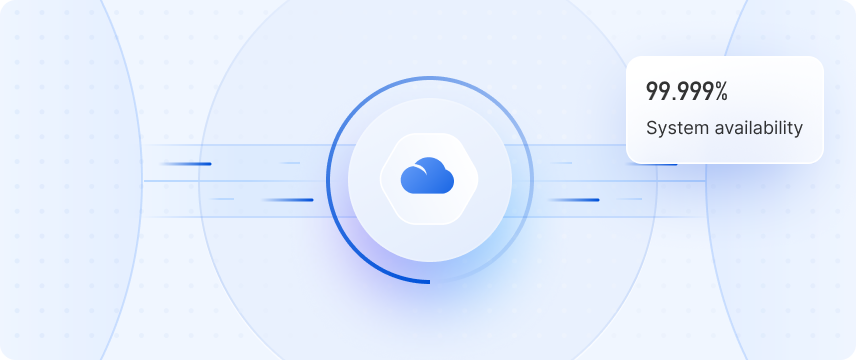
Security and Reliability
Core control nodes utilize a hot backup mechanism that allows for a second-level failover. The platform has been validated by 95% of Tencent's internal business practices, supporting intra-city active-active and multi-region disaster recovery, achieving system availability up to 99.999%. Feature a robust and comprehensive security framework with holistic protection for big data assets.
Security and Reliability
Core control nodes utilize a hot backup mechanism that allows for a second-level failover. The platform has been validated by 95% of Tencent's internal business practices, supporting intra-city active-active and multi-region disaster recovery, achieving system availability up to 99.999%. Feature a robust and comprehensive security framework with holistic protection for big data assets.
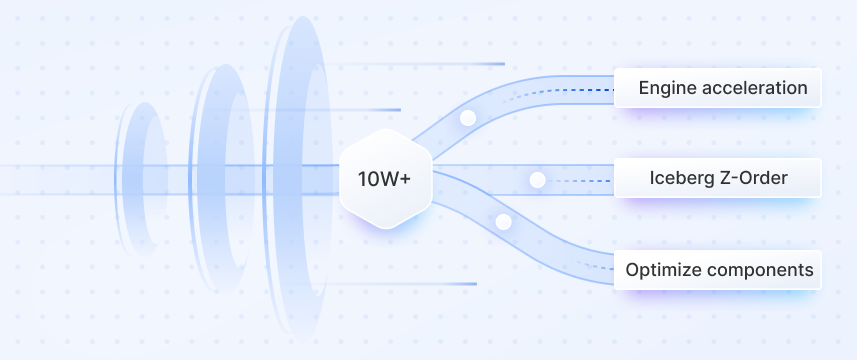
Excellent Performance
Support 100,000+ nodes per project and 10,000 nodes per cluster, processing hundreds of trillions of data entries and performing hundreds of trillions of real-time computations daily. Deeply optimize enterprise-level features of open-source components, improving overall performance by 50%+, and provide optimization technologies, including engine acceleration and the Iceberg Z-Order algorithm.
Excellent Performance
Support 100,000+ nodes per project and 10,000 nodes per cluster, processing hundreds of trillions of data entries and performing hundreds of trillions of real-time computations daily. Deeply optimize enterprise-level features of open-source components, improving overall performance by 50%+, and provide optimization technologies, including engine acceleration and the Iceberg Z-Order algorithm.
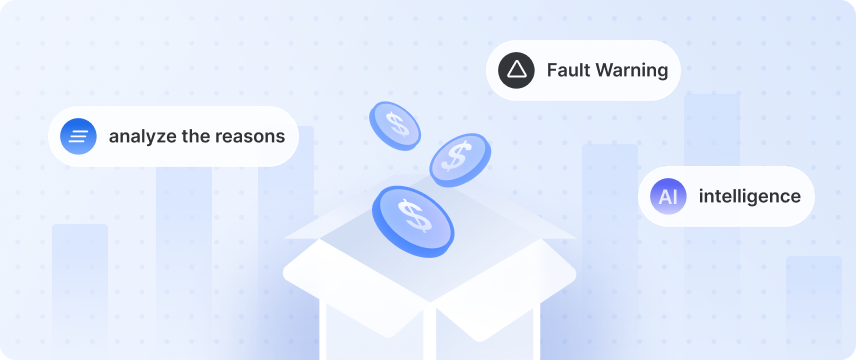
Intelligent Ops
Deliver an out-of-the-box rapid startup experience, support elastic scaling, and flexibly adapt to business growth demands. Leverage intelligent Ops capabilities, combining Ops knowledge bases with system operational metrics, to enable pre-failure alerts, remediation, and post-failure root cause analysis, effectively reducing comprehensive Ops costs.
Intelligent Ops
Deliver an out-of-the-box rapid startup experience, support elastic scaling, and flexibly adapt to business growth demands. Leverage intelligent Ops capabilities, combining Ops knowledge bases with system operational metrics, to enable pre-failure alerts, remediation, and post-failure root cause analysis, effectively reducing comprehensive Ops costs.
Integration and Innovation
Fully compatible with mainstream chips, operating systems, and server ecosystems across the entire chain. Support hybrid deployment architectures and IPv6 environments. Provide specialized hardware and software performance optimizations, as well as smooth big data migration tools and solutions, to establish an end-to-end service system.
Integration and Innovation
Fully compatible with mainstream chips, operating systems, and server ecosystems across the entire chain. Support hybrid deployment architectures and IPv6 environments. Provide specialized hardware and software performance optimizations, as well as smooth big data migration tools and solutions, to establish an end-to-end service system.
Variety of Solutions for Your Needs
OLAP Data Warehouse Analysis
Cloud-Native Data Lake
Lakehouse
Multimodal Big Data Platform
Information Search and Analysis
Scenario
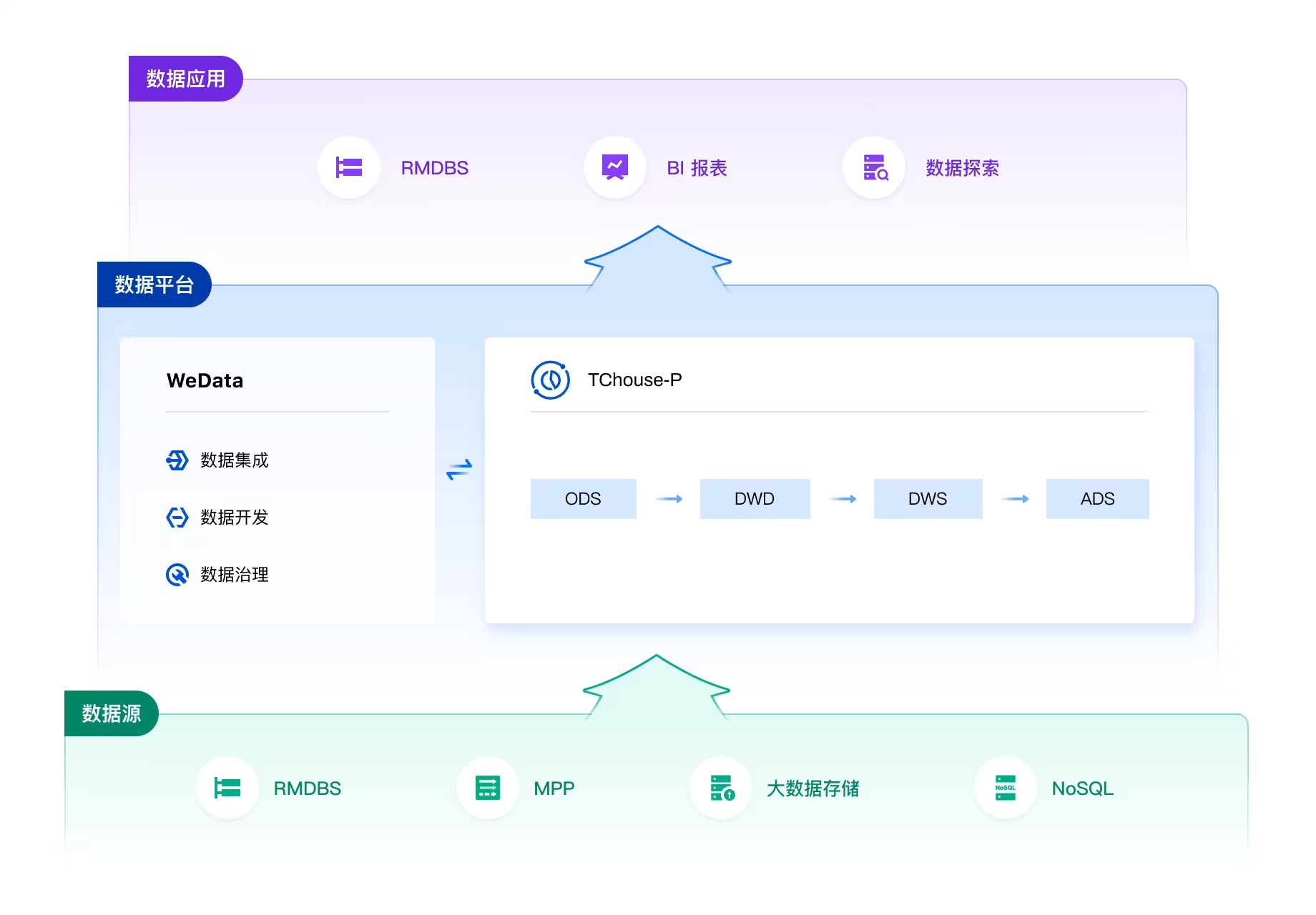
For data warehouse mart and data analysis scenarios, customers aim to deeply mine data value on the foundation of unified data aggregation. By building data warehouses to empower business through data visualization and data applications, the TBDS data warehouse provides data integration and development processing, implements layered data warehouse modeling, and integrates a massive data query engine to enhance data query performance, meeting the needs of real-time and online data analysis.
Features
  • [Extreme Performance] Fully parallel distributed architecture with all-level parallel processing between nodes, within nodes, and between operators. The efficient vectorized execution engine and delayed materialization technology enable trillion-level join queries to return in seconds.
  • [Row/Column Hybrid Storage] Support efficient row/column hybrid computation. The self-developed columnar storage engine offers multiple compression algorithms and levels, delivering adaptive compression capabilities with high compression ratios.
  • [Security and High Availability] Support Separation of Duty, transparent data encryption, data desensitization, mandatory access control, and comprehensive auditing capabilities, with multi-level disaster recovery and high availability.
  • [Automated Ops] An automated control platform provides comprehensive control over clusters, nodes, resources, tenants, and other information.
Scenario
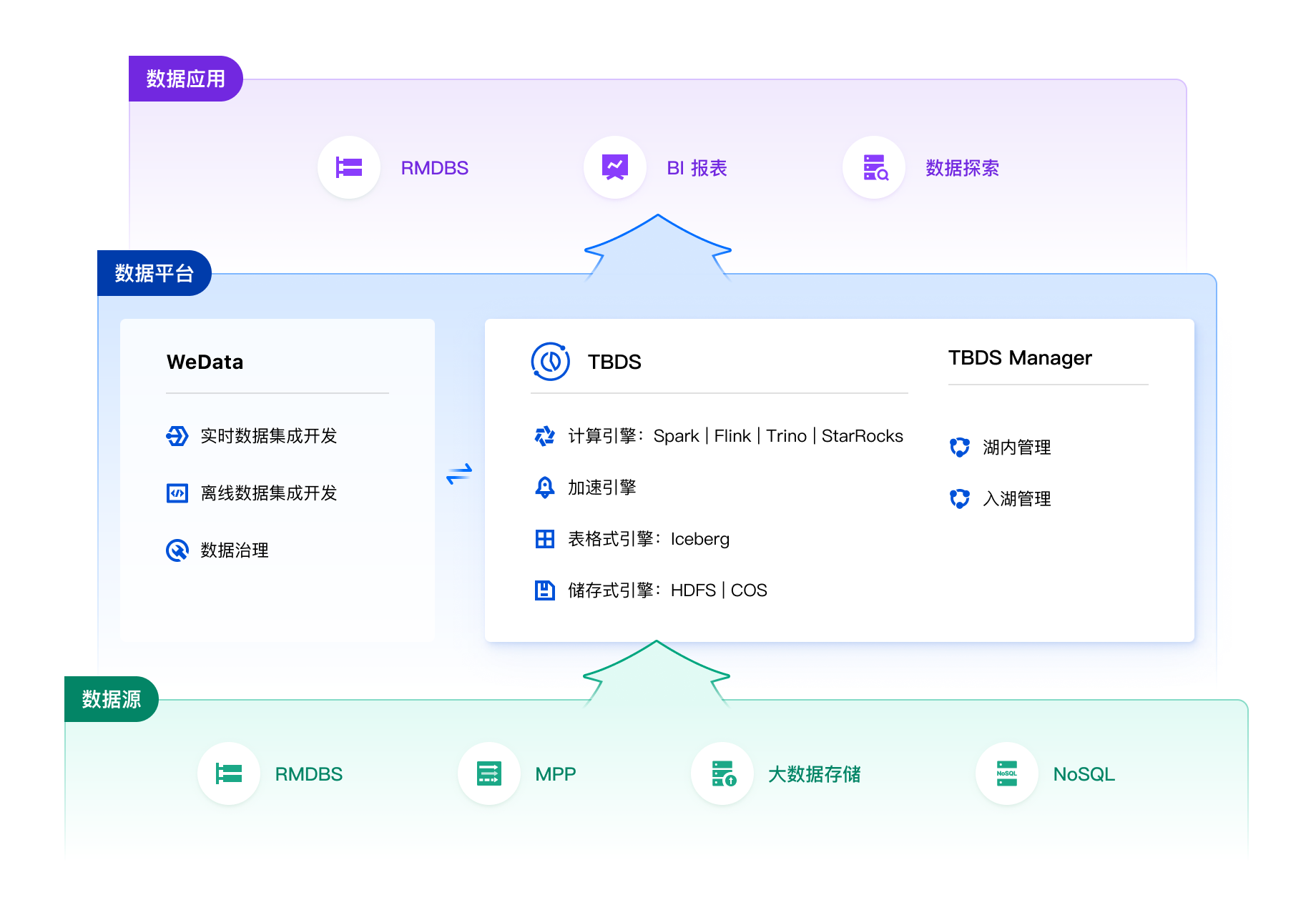
With the evolution of enterprise data platforms, efficient data storage, computation, and analysis capabilities are to be built in cloud environments to perform following operations: Support data analysts in exploratory analysis of massive data; Enable data scientists to store and manage training datasets for machine learning model training and deployment; Provide real-time analysis and decision support for enterprises through data pipelines; Ensure data storage and computation capabilities for business intelligence platforms; Facilitate data sharing and collaboration across different business units.
Features
  • [Innovative Architecture] Utilize components, for example, Cloud Object Storage, Iceberg, and Luoshu, to construct a high-performance data lake architecture.
  • [Extreme Performance] Significantly enhance the real-time performance of data ingestion and computation, as well as the performance and stability of data flows within and outside the lake, across dimensions including data ingestion, storage, computation, and exploratory analysis.
  • [Cost Reduction and Efficiency Improvement] Boost comprehensive elastic resource utilization by 30%+ and reduce storage costs by 20%+.
Scenario
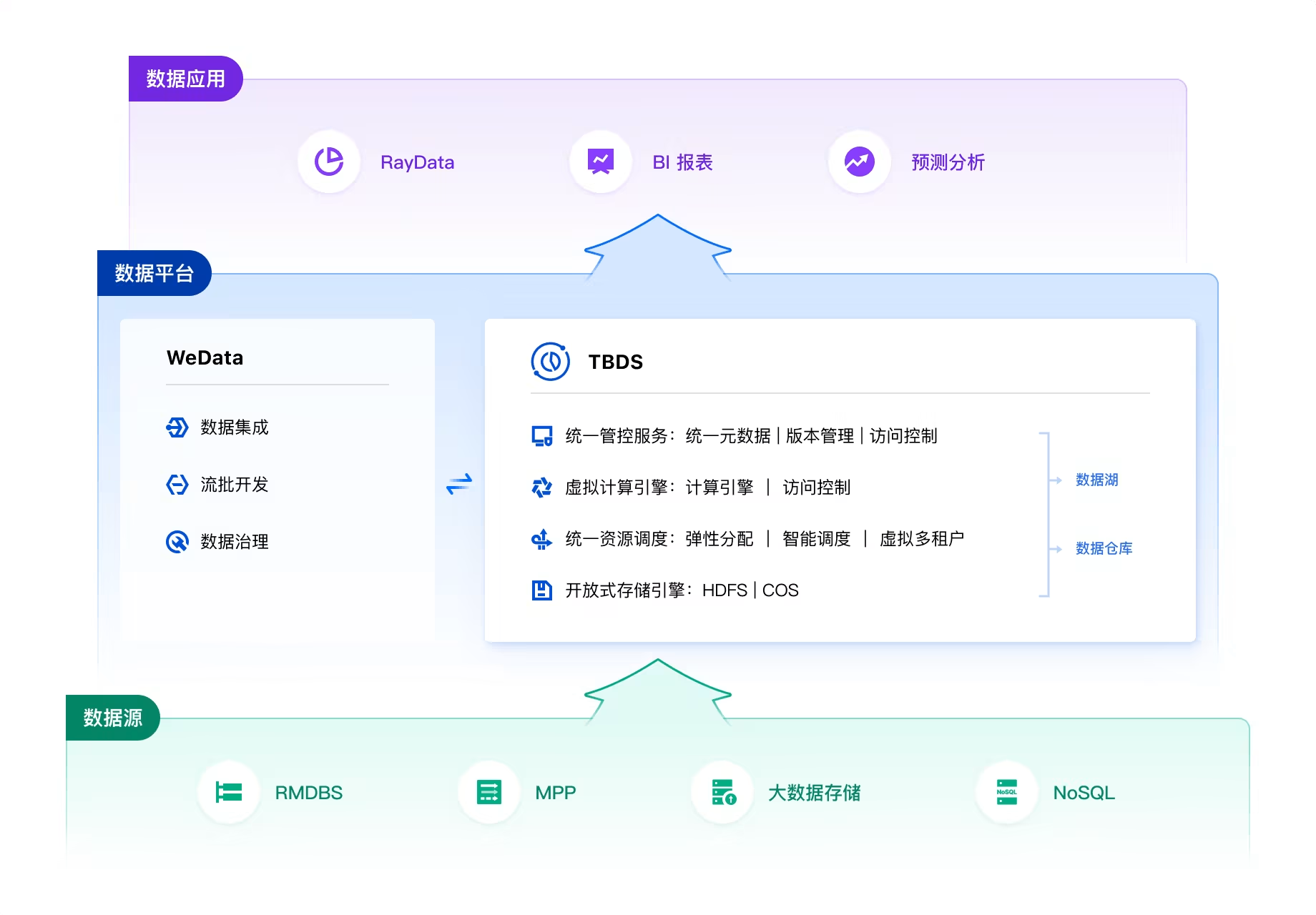
With the development of enterprise AI applications, the demand for innovative data analysis and applications grows. However, traditional data warehouse architectures often feature complex hierarchical structures and are difficult to modify, while enterprises lack efficient self-service development capabilities, resulting in slow response to the needs. Enterprises may establish independent data warehouses and data lakes at different stages of development to meet their needs, but this can lead to data redundancy and chaos. They need unified lakehouse platform capabilities for integrated management and application of siloed data.
Features
  • [Integrated Architecture] Implement unified data storage and metadata management with strict transactional consistency, supporting the construction of a lakehouse platform through an integrated architecture.
  • [Mixed Workloads] Unified real-time and offline processing with resource isolation to eliminate interference and reduce data migration.
  • [Openness and Agility] Employ an open-standard, layered, decoupled design for agile, flexible, and easily scalable architecture.
  • [Cost Saving] Storage and computing resources are scaled on demand, with intelligent tuning, high usability, and low maintenance costs.
Scenario
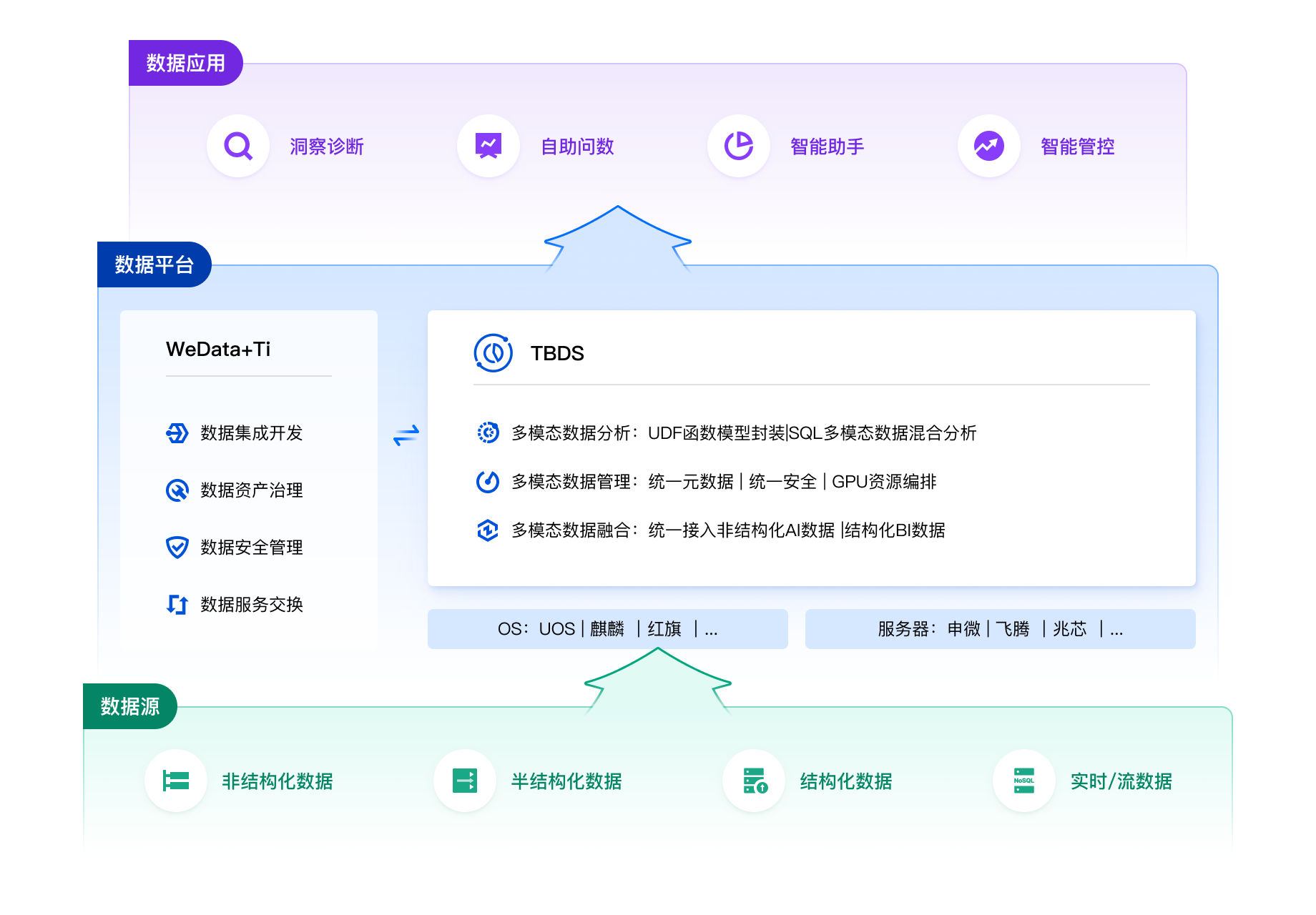
Under the major trend of integration and innovation, TBDS has evolved from a Lakehouse architecture into a multimodal big data platform. By leveraging capabilities including multi-modal data fusion, data management, data analysis, and elastic resource orchestration, it supports AI/BI-integrated data application scenarios. This unified data intelligence foundation drives maximized resource management efficiency and intelligent business decision-making.
Features
  • [Multimodal Data Management] Employ a Lakehouse architecture to uniformly ingest and manage multimodal data, with a built-in vector database for efficient storage of vector data.
  • [Intelligent Data Analysis] Encapsulate large model capabilities via functions, enabling integrated analysis of structured and unstructured data using SQL. Business models and knowledge bases are automatically intelligently optimized, empowering intelligent data querying through optimized models.
  • [Intelligent Ops Optimization] Combine big data Ops knowledge bases with system operational metrics to enable automated recovery for specific faults, pre-failure alerts, and post-failure root cause analysis, effectively reducing Ops costs and enhancing overall platform reliability and maintenance efficiency.
Scenario
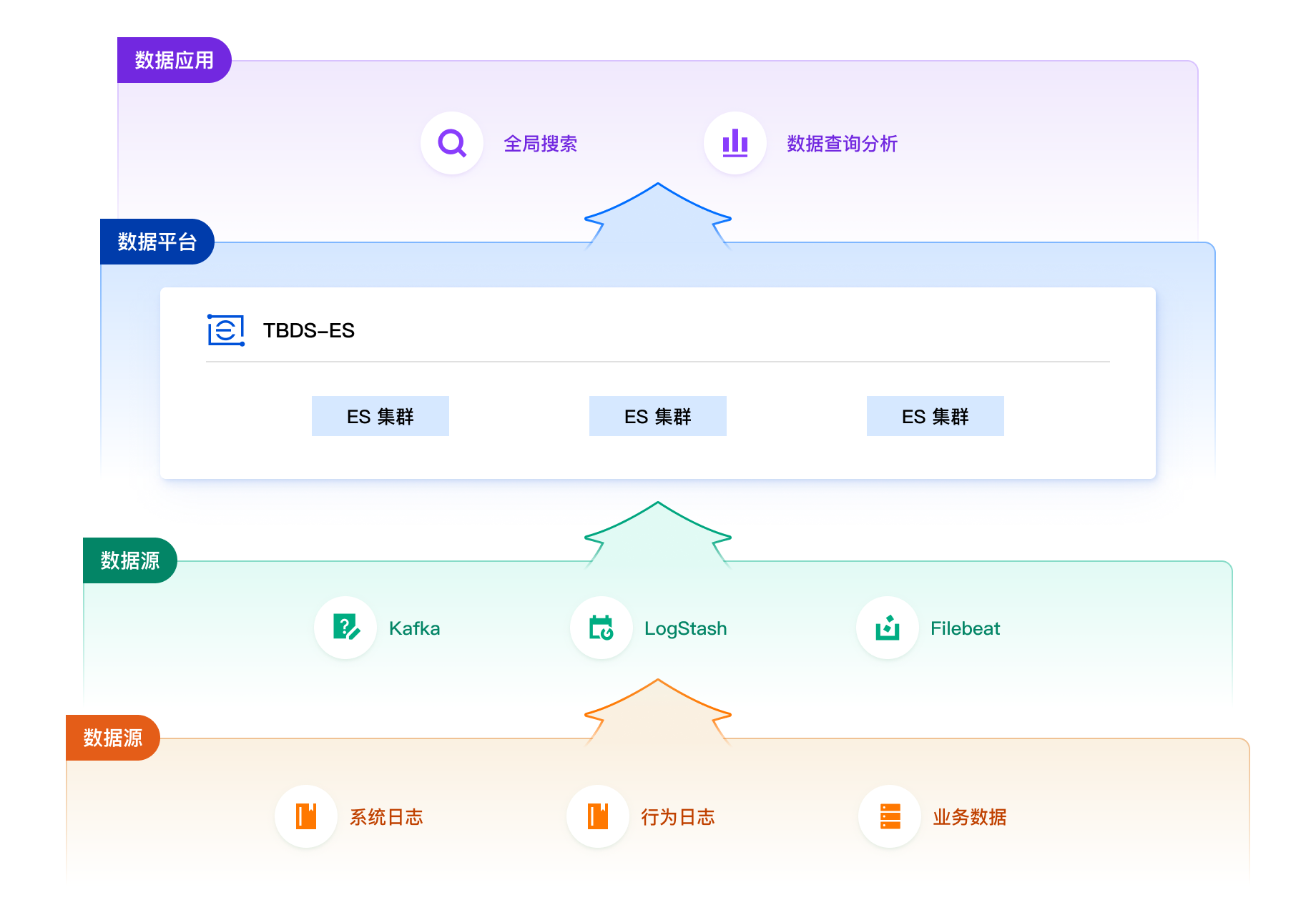
Enterprises often encounter numerous business scenarios involving log analysis, information search, and business intelligence construction in data applications. These scenarios typically face challenges, including scattered data storage, diverse data types, and massive scales, making the application difficult. A search engine is required to provide capabilities for precise queries, full-text queries, and vector searches.
Features
  • [High Efficiency and Reliability] Overall effects: Write performance improved by 10%-50%+, query performance improved by 10%-50%+, GC reduced by nearly half, storage costs reduced by 30%-80%.
  • [Ops Control] Provide easy-to-operate, observable, and multi-dimensional control capabilities for ES clusters.
  • [Out-of-the-Box] Offer out-of-the-box visualization analysis tools and powerful aggregation analysis capabilities, enabling users to perform real-time search, analysis, and result presentation on massive data.
High-Performance, Secure & Stable Enterprise Data Lakehouse Platform
Services and Support
Consulting and Planning
Expert team with extensive industry consulting and planning experience.
End-to-end business consulting and differentiated design
Full-scenario lakehouse planning, supporting lightweight to large-scale implementations
Migration Service
Migration Service
Comprehensive migration and upgrade services from legacy to new platforms.
Migration resource planning, architecture design, and technology selection
Tool-based support with real-time progress tracking
Smooth transition between legacy and new platforms to ensure stable operation
Agile Delivery
Agile Delivery
Standardized delivery capabilities across all scenarios.
Tool-based agile delivery for the entire process
Controllable, visual, and standardized delivery system
Continuous tracking and evaluation of delivery quality
After-Sales Service
After-Sales Service
Multi-channel support for customer service requests.
Standard service process
Intelligent observable Ops and one-stop inspections
After-sales maintenance and local Ops services
Training and Empowerment
Flexible, efficient, and personalized training services.
Professional, standardized training system
Comprehensive training content
On-demand courses
Consulting and Planning
Expert team with extensive industry consulting and planning experience.
End-to-end business consulting and differentiated design
Full-scenario lakehouse planning, supporting lightweight to large-scale implementations
Migration Service
Comprehensive migration and upgrade services from legacy to new platforms.
Migration resource planning, architecture design, and technology selection
Tool-based support with real-time progress tracking
Smooth transition between legacy and new platforms to ensure stable operation
Agile Delivery
Standardized delivery capabilities across all scenarios.
Tool-based agile delivery for the entire process
Controllable, visual, and standardized delivery system
Continuous tracking and evaluation of delivery quality
After-Sales Service
Multi-channel support for customer service requests.
Standard service process
Intelligent observable Ops and one-stop inspections
After-sales maintenance and local Ops services
Training and Empowerment
Flexible, efficient, and personalized training services.
Professional, standardized training system
Comprehensive training content
On-demand courses
Empowering Customer Success
FAQS
Frequently Asked

Questions

What deployment methods does TBDS support?

TBDS can be deployed in an IDC environment.

How is TBDS billed?

TBDS costs primarily consist of license fees and technical support fees. Additionally, value-added services (for example, on-site services, data integration, and development) are also available and billed based on specific requirements.

What deployment scale does TBDS support?

The applicable scale of TBDS ranges from single-digit nodes to tens of thousands of nodes, meeting customers' business requirements at varying scales.

Does TBDS provide standard APIs?

TBDS provides standardized open APIs that are fully accessible to customers. Customers can perform secondary development based on these standardized APIs as needed.

FAQS
Frequently Asked

Questions

What deployment methods does TBDS support?

TBDS can be deployed in an IDC environment.

How is TBDS billed?

TBDS costs primarily consist of license fees and technical support fees. Additionally, value-added services (for example, on-site services, data integration, and development) are also available and billed based on specific requirements.

What deployment scale does TBDS support?

The applicable scale of TBDS ranges from single-digit nodes to tens of thousands of nodes, meeting customers' business requirements at varying scales.

Does TBDS provide standard APIs?

TBDS provides standardized open APIs that are fully accessible to customers. Customers can perform secondary development based on these standardized APIs as needed.

Expert Consultation
For more information on product technical architectures and purchase guide, please contact our sales and technical support teams.