Use Cases
Baixar
Modo Foco
Tamanho da Fonte
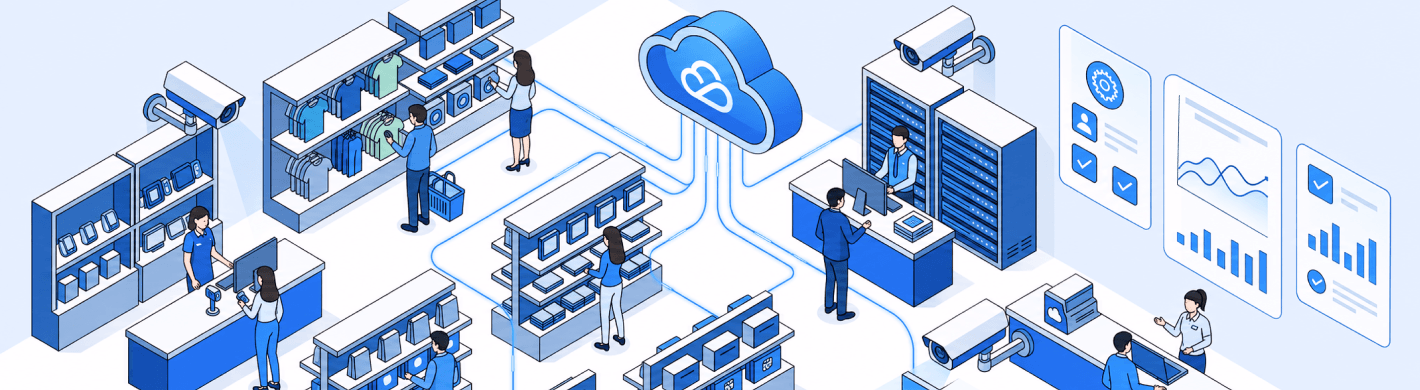
Smart Stores
You can centrally connect the dispersed cameras of chain stores to the cloud for centralized device management, centralized video access, and tiered data storage.
By integrating cloud AI capabilities, it provides recognition tasks for scenarios such as store operations, security compliance, and personnel behavior, accelerating intelligent store upgrades and helping businesses reduce costs and improve efficiency.
Warehousing and Logistics
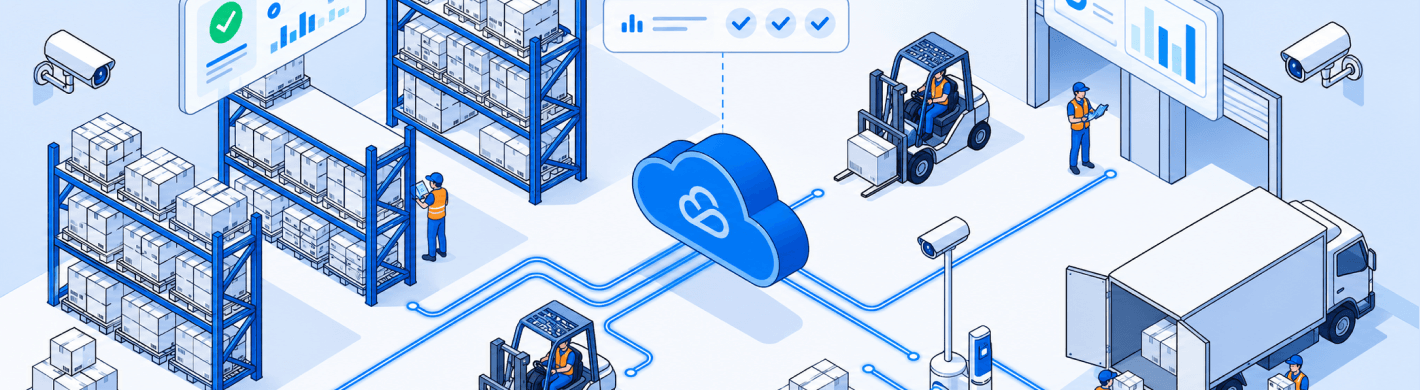
You can centrally connect dispersed cameras in warehousing and logistics scenarios to the cloud for centralized device management, centralized video access, and tiered data storage.
By integrating cloud AI capabilities, it provides recognition tasks for scenarios such as cargo status, operational compliance, and warehouse area safety, helping refine warehouse operations and reduce costs while improving efficiency.
Smart Home
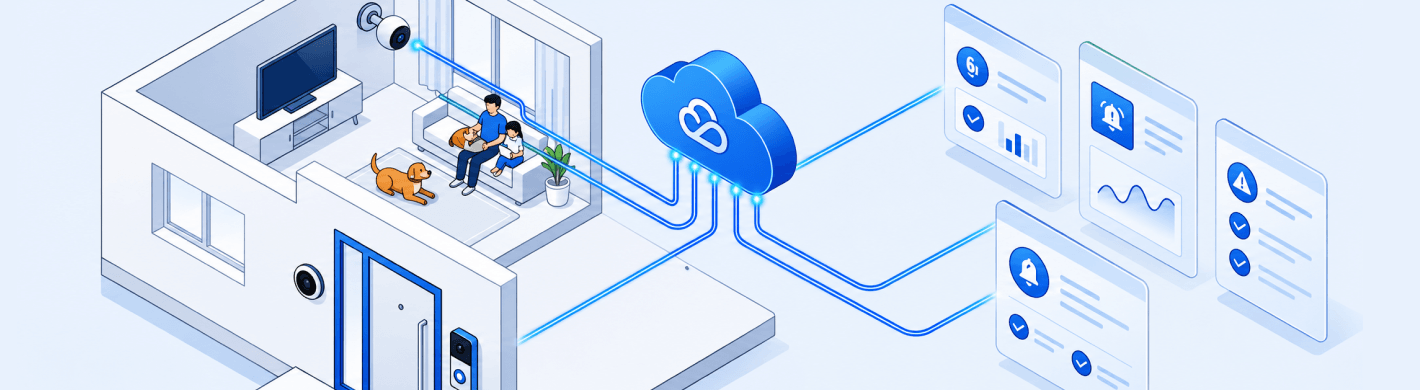
For devices such as home surveillance cameras, smart peepholes, and video doorbells, the system supports on-demand stream pulling to the cloud and real-time uploading of video alarm clips.
By integrating cloud AI capabilities, it supports visual content such as people, pets, packages, and abnormal events in home scenarios, helping improve intelligent awareness and content productivity in smart home environments.
Campus Construction Sites
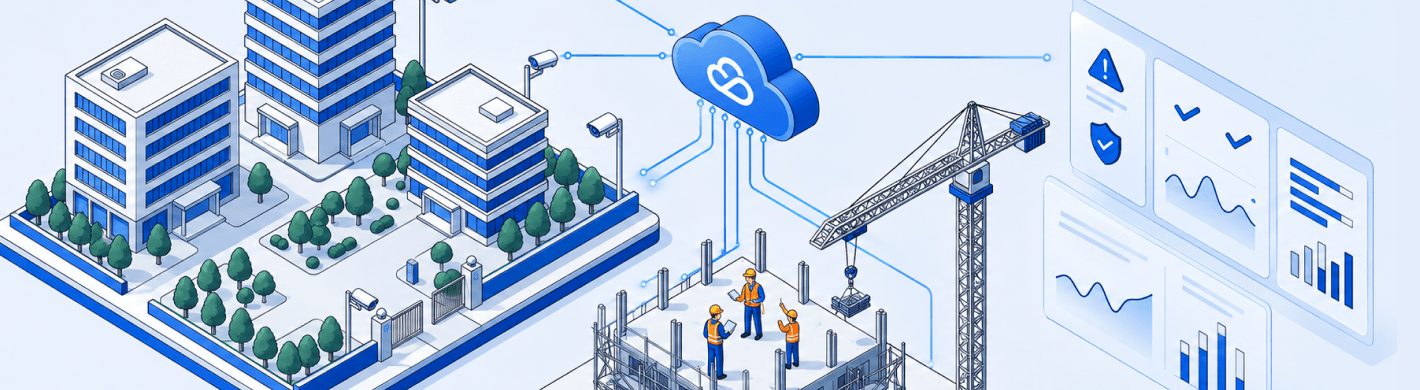
You can centrally connect cameras in park and construction site scenarios to the cloud, supporting scheduled stream pulling to the cloud and storage. Devices support PTZ rotation control, zoom and focus operations, as well as mobile access and viewing.
By integrating cloud AI capabilities, it provides recognition tasks for scenarios such as production safety, personnel compliance, and on-site hazards, assisting in video inspection, recognition, and management related to production safety. The specific results depend on algorithm capabilities and manual review mechanisms.
Transparent Kitchens
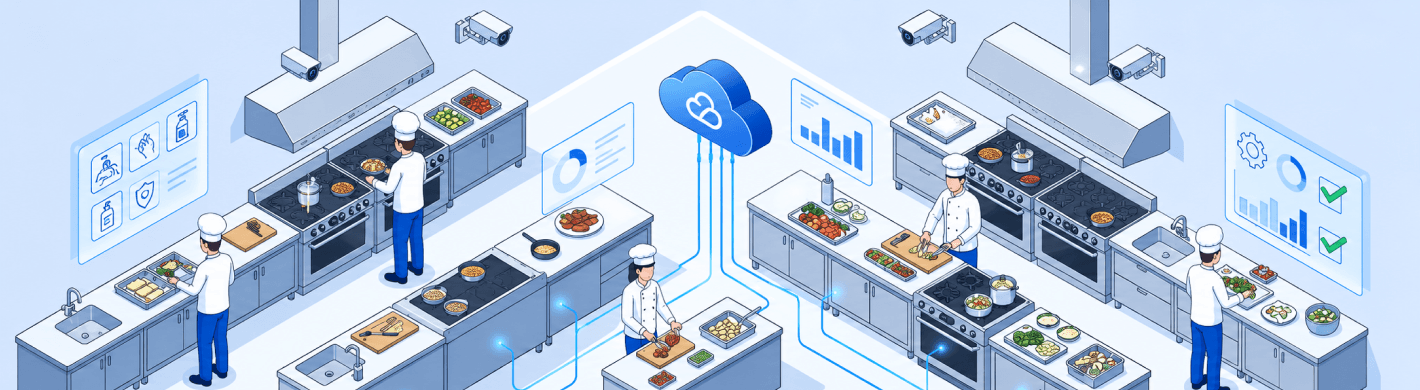
Centrally connect cameras in kitchen scenarios to support data sharing and local multi-device real-time playback, fulfilling the primary responsibility for food safety while also addressing customers' psychological expectations for food safety.
By integrating cloud AI capabilities, it provides recognition tasks for scenarios such as operational compliance, personnel attire, and hygiene conditions, assisting in the identification of back-of-house operation scenarios and providing references for food safety management. Customers should still conduct manual verification and management in accordance with applicable laws, regulations, and management policies.
Note:
The scenarios and diagrams listed on this page, such as smart stores, warehousing and logistics, smart homes, parks and construction sites, and transparent kitchens, are provided only to illustrate typical product applications. Actual product features, recognition and transmission/storage performance, and remote device management capabilities are affected by factors including connected devices, network environments, deployment architectures, algorithm models, business configurations, on-site lighting and obstructions, and usage methods. These are subject to actual usage conditions, product documentation, and console displays, and do not constitute a commitment to recognition accuracy, operational efficiency, cost savings, security management, or compliance outcomes.
Recognition, analysis, alarm, or suggestion results generated based on AI capabilities can only serve as a reference for business operations, security management, or assisted decision-making, and do not replace manual review, on-site inspection, professional judgment, or statutory security management obligations.
This product can provide technical support for scenarios such as production safety, food safety, and park operations, but does not constitute a guarantee of production safety, food safety, business compliance, or regulatory requirements. Customers should review results based on their actual business, assume responsibility for decisions and measures, fulfill primary responsibilities in accordance with applicable laws, regulations, industry standards, and internal management policies, and take necessary manual management and emergency response measures.
For features involving video capture, storage, access, analysis, person or behavior recognition, and remote device control, customers must ensure that connected devices, video data, and related content are legally sourced, and complete necessary notification, authorization, permission management, and security protection measures in accordance with the law. For processing involving personal information or other protected data, customers must fulfill corresponding data and personal information protection obligations in accordance with the law. Remote device operations such as PTZ control and zoom should only be used on devices and in scenarios where customers have legitimate management permissions.
Actual fees for cloud storage, video retrieval, device access, and other services may vary depending on product configuration, usage, service region, and billing rules. The final fees are subject to the purchase page, console display, order agreement, and bill settlement.
Ajuda e Suporte
Esta página foi útil?
Você também pode entrar em contato com a Equipe de vendas ou Enviar um tíquete em caso de ajuda.
comentários