tencent cloud

Cloud Streaming Services

Release Notes and Announcements
Announcements
User Guide
Product Introduction
Overview
CSS Products
Concepts
Features
Use Cases
Strengths
Use Limits
Purchase Guide
Billing Overview
Basic Service Fee
Value-Added Service Fee
Prepaid plan
Purchase Process
Changing Billing Modes
Refund Policy
Viewing Bills
Renewal
Processing for Overdue Payments
Billing FAQs
Live Video Broadcasting (LVB)
Overview
Use Cases
Getting Started
SDK Integration
Live Event Broadcasting (LEB)
Overview
LEB Versus LVB
Use Cases
Getting Started
SDK Integration
Live Video Caster
Overview
Application Scenarios
Feature Area Introduction
Managing Live Video Caster
General Cloud Director
Configuring Program Lists and Automated Broadcasting
Console Guide
Console Overview
Overview
Domain Management
Stream Management
Package Management
AI Features
Feature Configuration
Relay
Billing Usage Statistics
Monitoring
Toolkit
OOTB live
CAM-Based Access Control
Feature Guide
Push and Playback
Features
Practices in Typical Scenarios
Cloud Native Recording
Live Streaming Security
Global CSS Service
Callback Notifications
User Guides for Common Third-Party Tools
SDK Guide
0. SDK Integration Guide
1. Stream Push
2. Playback
3. Advanced Features
API Documentation
History
Introduction
API Category
Making API Requests
Live Pad APIs
Live Stream Mix APIs
Time Shifting APIs
Monitoring Data Query APIs
Billing Data Query APIs
Live Transcoding APIs
Delayed Playback Management APIs
Domain Name Management APIs
Watermark Management APIs
Certificate Management APIs
Stream Pulling APIs
Recording Management APIs
Live Callback APIs
Screencapturing and Porn Detection APIs
Authentication Management APIs
Live Stream Management APIs
Data Types
Error Codes
Ops Guide
Video Stuttering
Troubleshooting Push Failure
Troubleshooting Playback Failure
CLS Assists in Live Stream Troubleshooting
Troubleshooting High Latency
Troubleshooting Poor Quality of Pulled Video
Authorizing CSS to Store Screenshots in a COS Bucket
Troubleshooting
Live Stream Mixing Error `InvalidParameter.OtherError`
About Pushing
Generating Push URLs
PC Push
Playing Method
Web Player
Live Streaming Quiz
FAQs
Service Region
Live Streaming Basics
Push and Playback
CSS Billing
Global CSS Service
Live Recording
On-Cloud Stream Mix
Domain Configuration
Related to Live Video Caster
Compatibility with Apple ATS
Difference Between Stream Interruption and Stream Suspension
SLA
CSS Service Level Agreement
CSS Policy
Privacy Policy
Data Processing And Security Agreement
Glossary

Obtaining the UID and Key Information

PDF
Focus Mode
Font Size
Last updated: 2023-02-27 15:47:12
The licensing services of DRM encryption in CSS are provided by the third-party vendors SDMC and DRMtoday. To use DRM encryption, you need to provide CSS with your SDMC or DRMtoday user key. This document shows you how to obtain an SDMC or DRMtoday user key.

SDMC

Directions


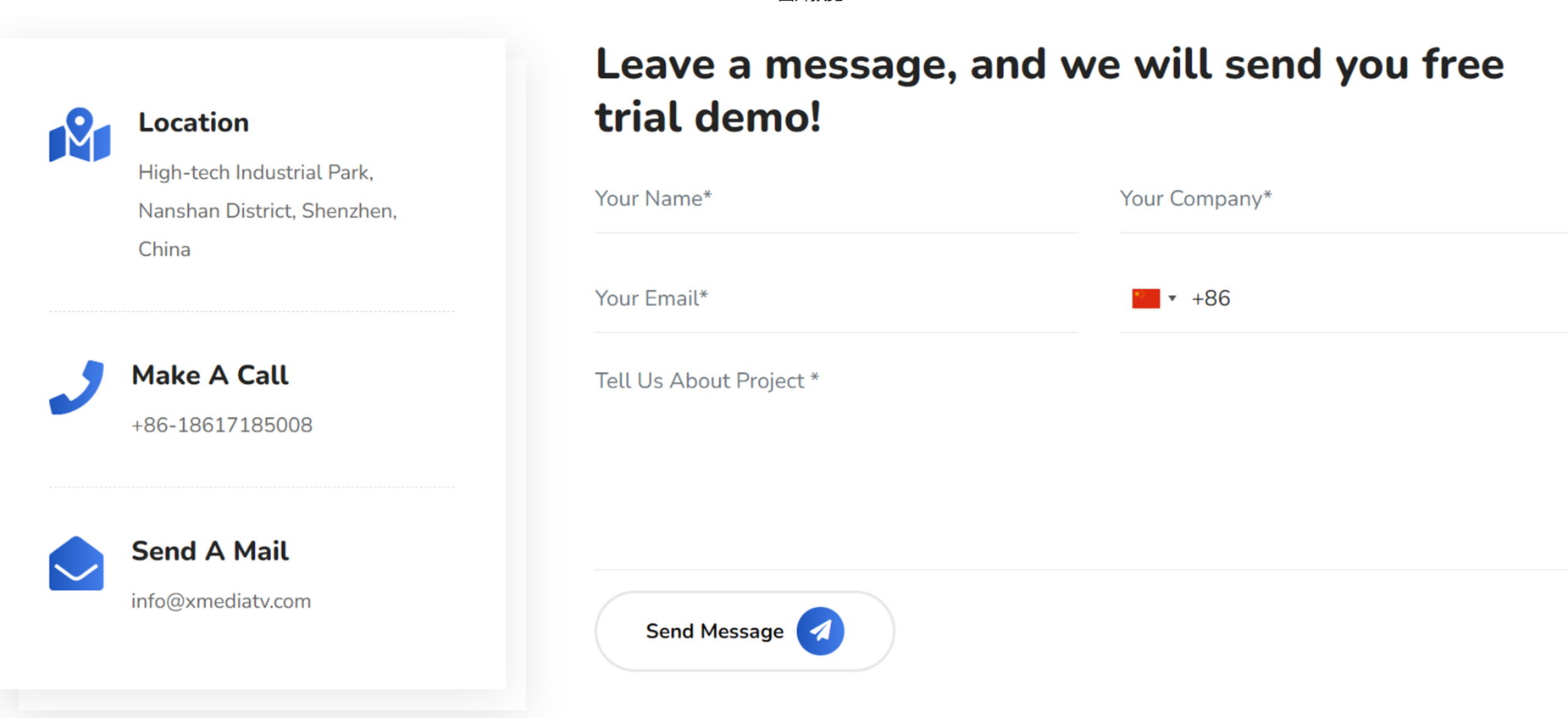
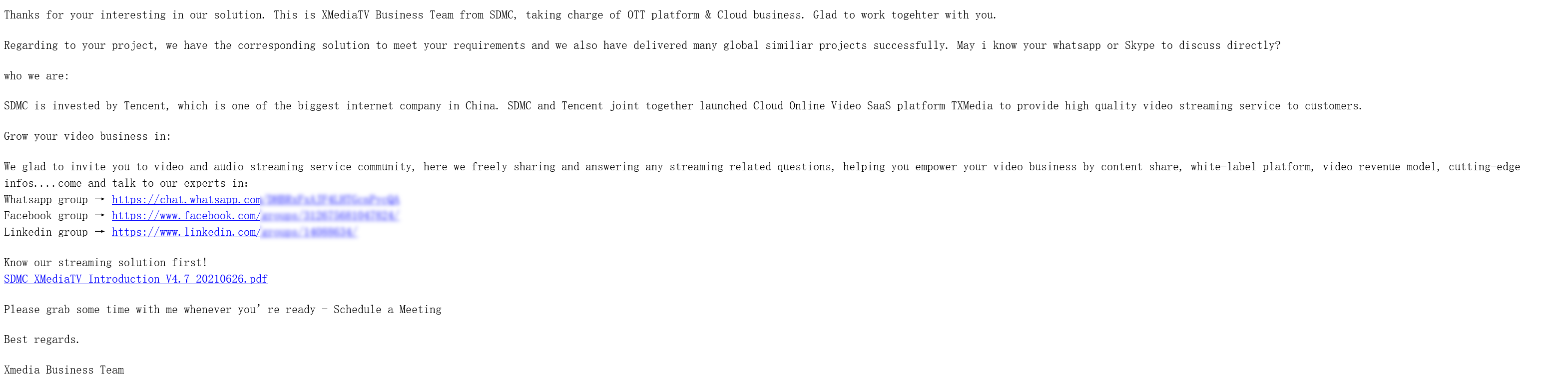
2. Enter your information and click Send Message. You will receive an acknowledgement email from SDMC in a few hours, and the company’s salespeople will contact you to confirm your information.


3. SDMC will review your application and email you the address of its DRM console and your initial password.
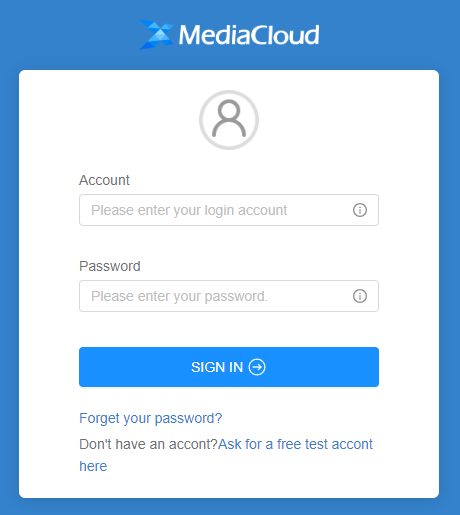
4. Log in to the SDMC DRM console with the account and password you received.


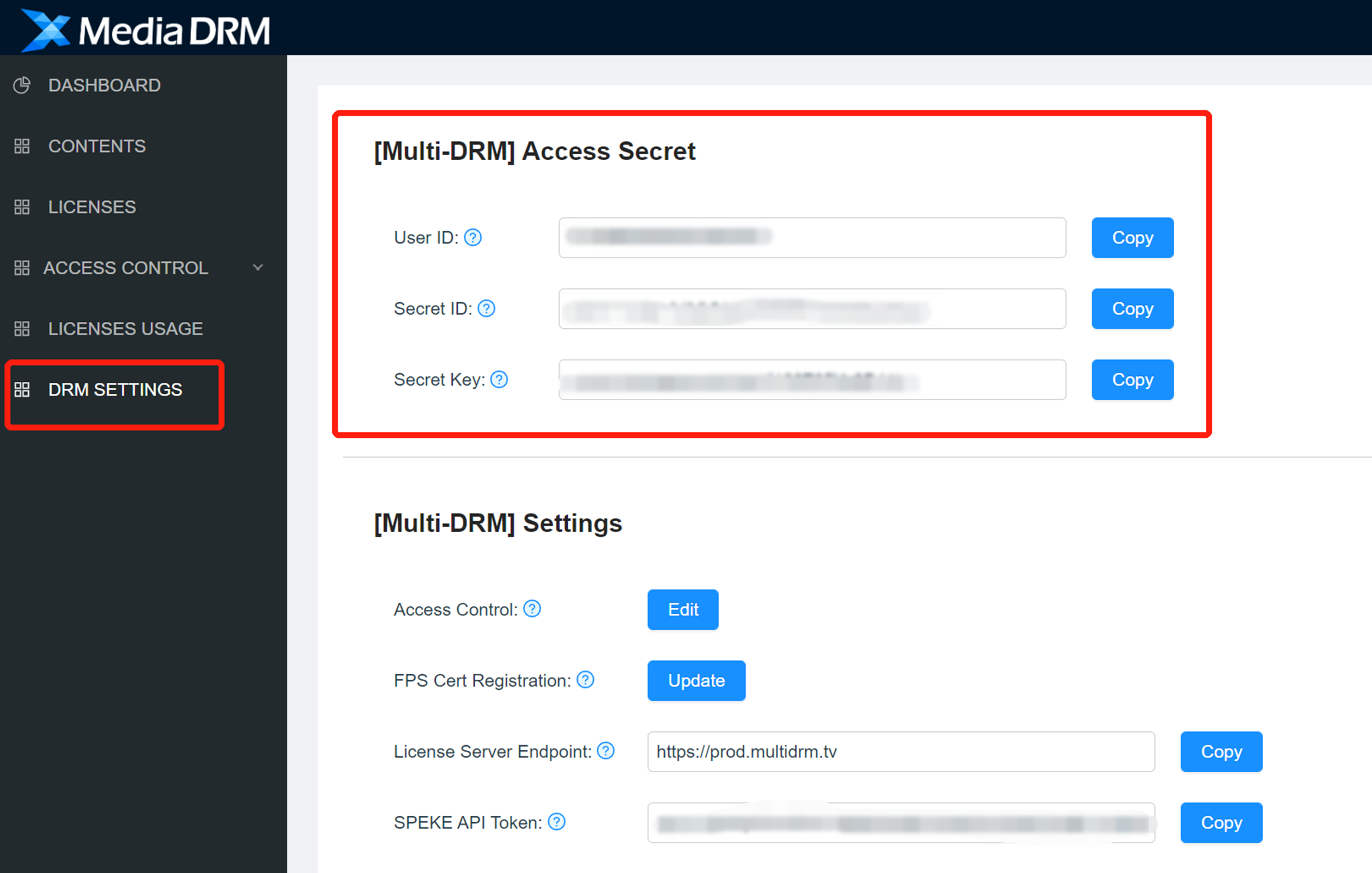
5. Click DRM SETTINGS to view your user ID, secret ID, and secret key.


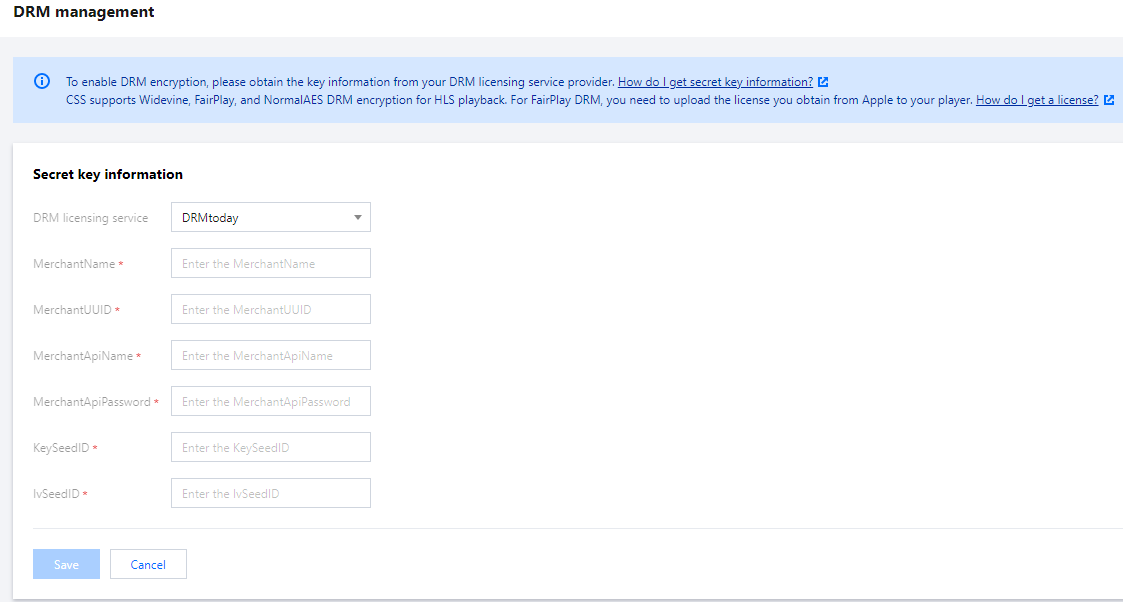
6. Go to DRM management of the CSS console and enter the information obtained.


DRMtoday

Directions

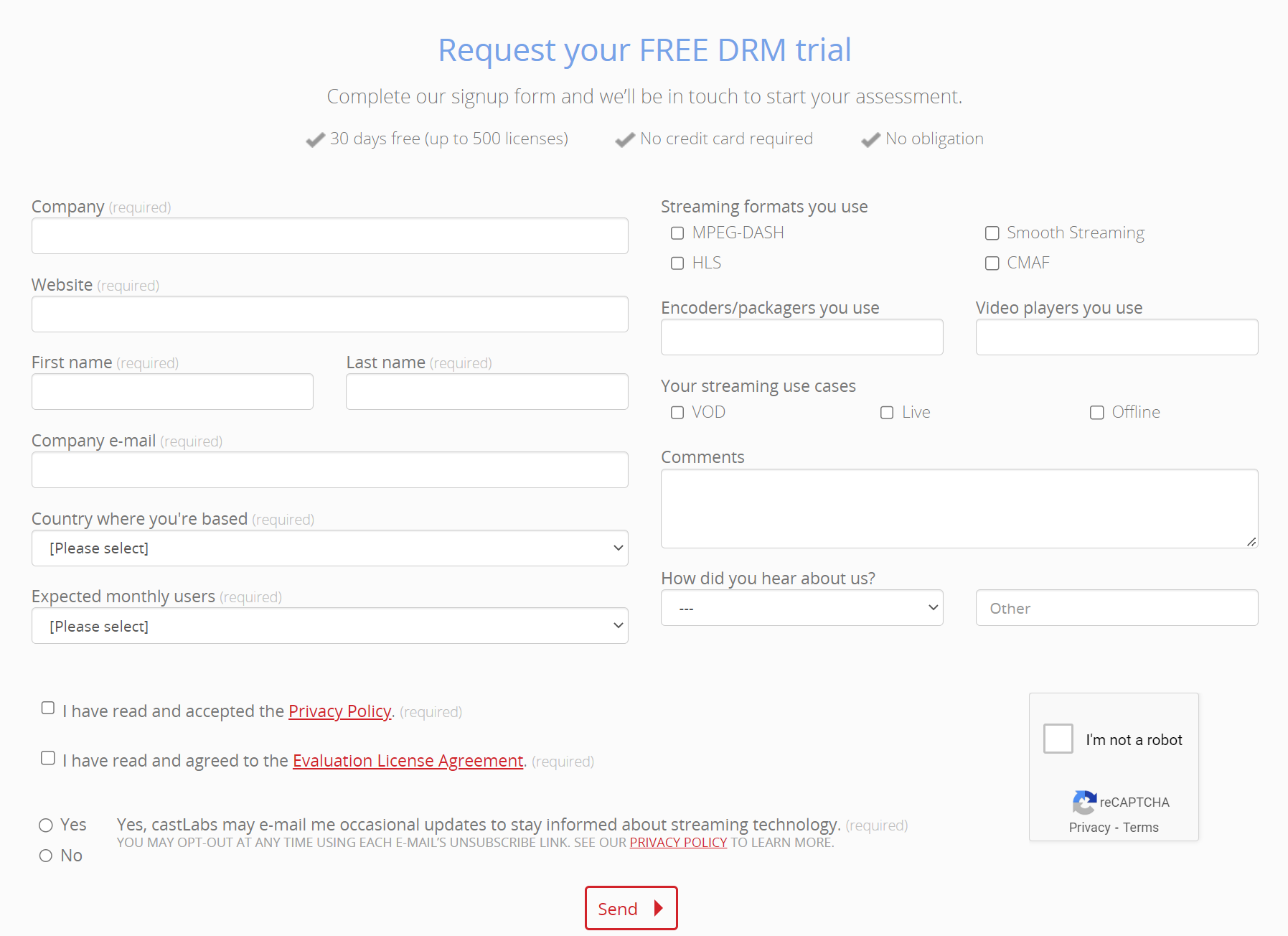
1. Visit the DRMtoday website and fill in the information as required.


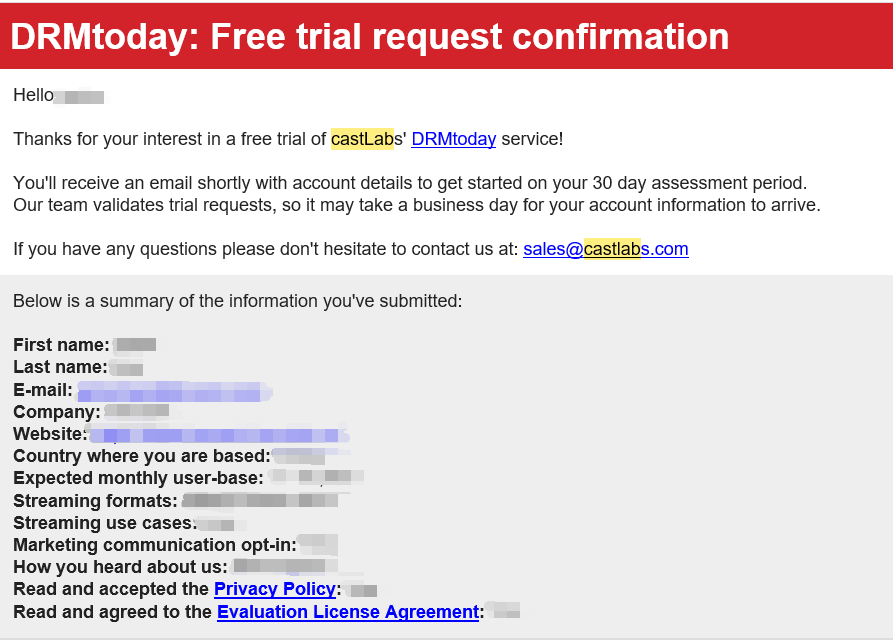
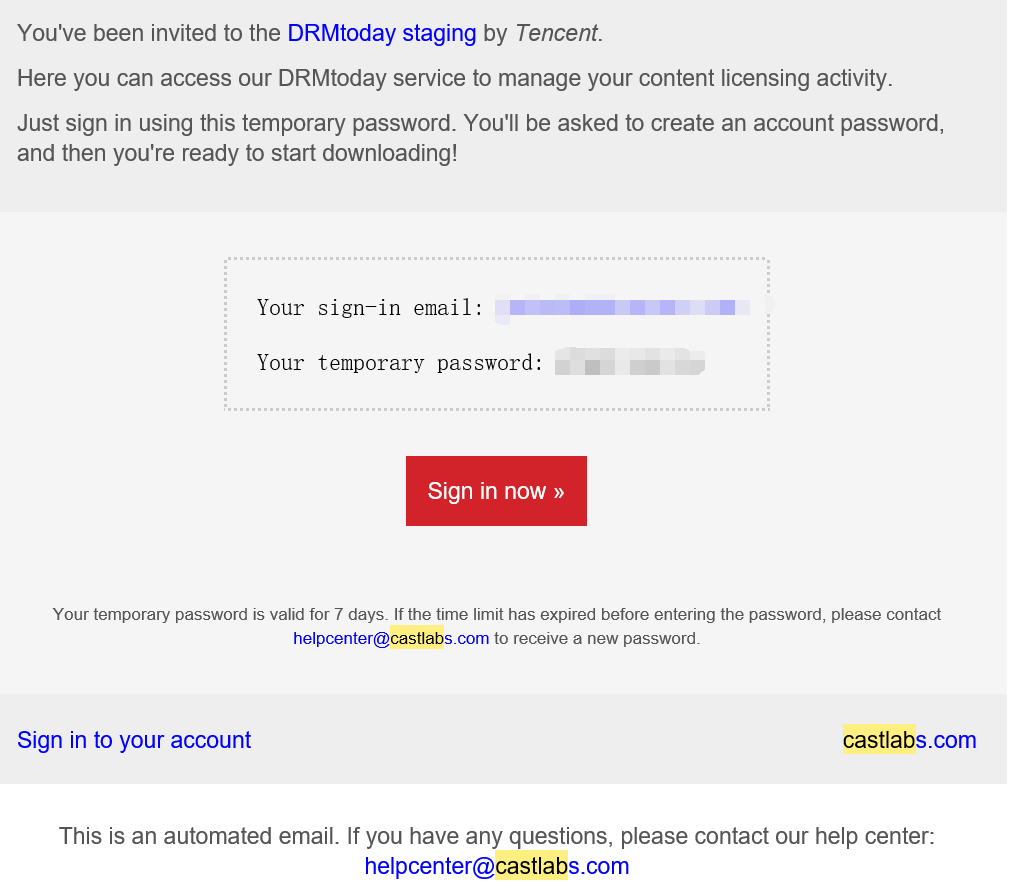
2. Click Send. Normally, you will receive a system email from DRMtoday within a few hours.


3. Shortly after that, DRMtoday will send you another email containing your account details.


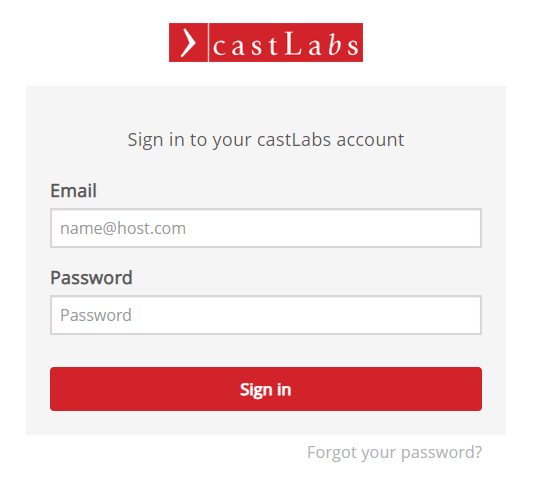
4. Visit the DRMtoday login page, enter your account, and create a password to log in.


5. You will enter the DRMtoday Dashboard.


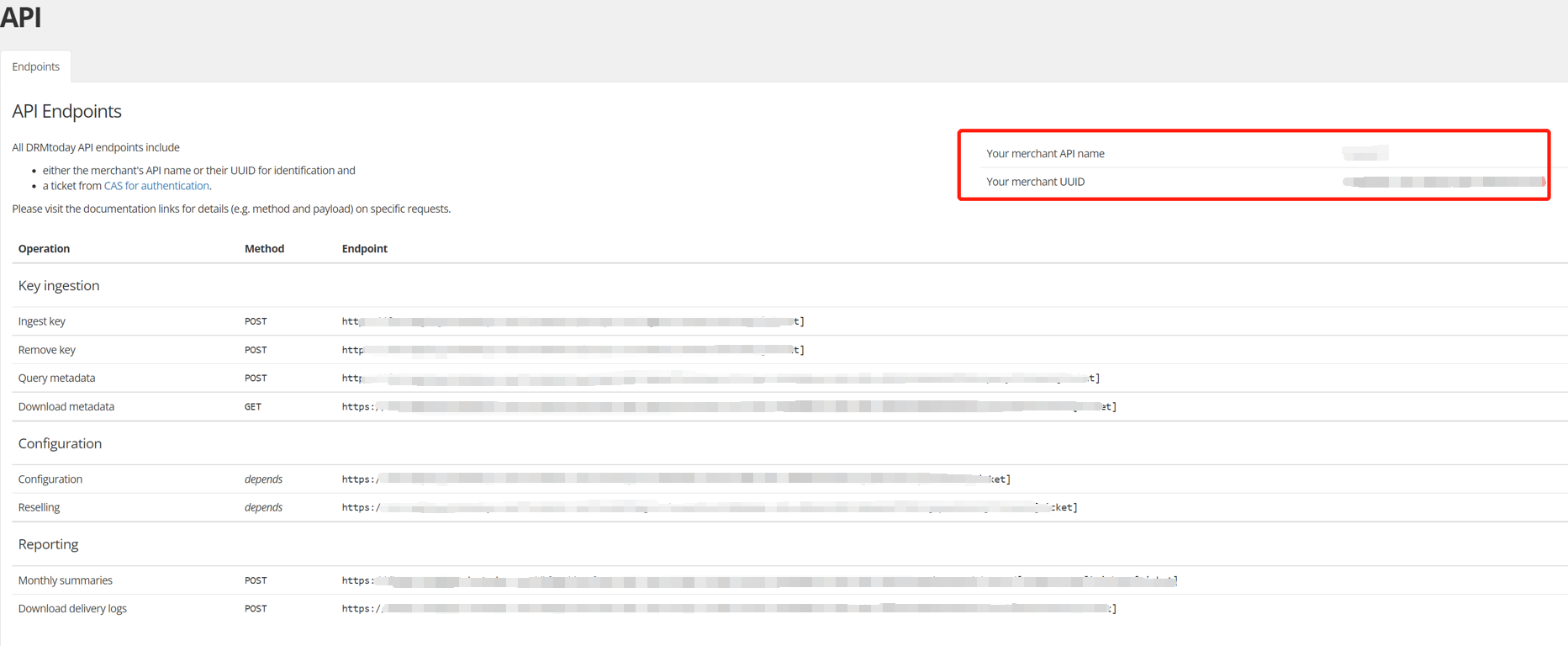
6. Click API. On the page below, note your merchant name and UUID.


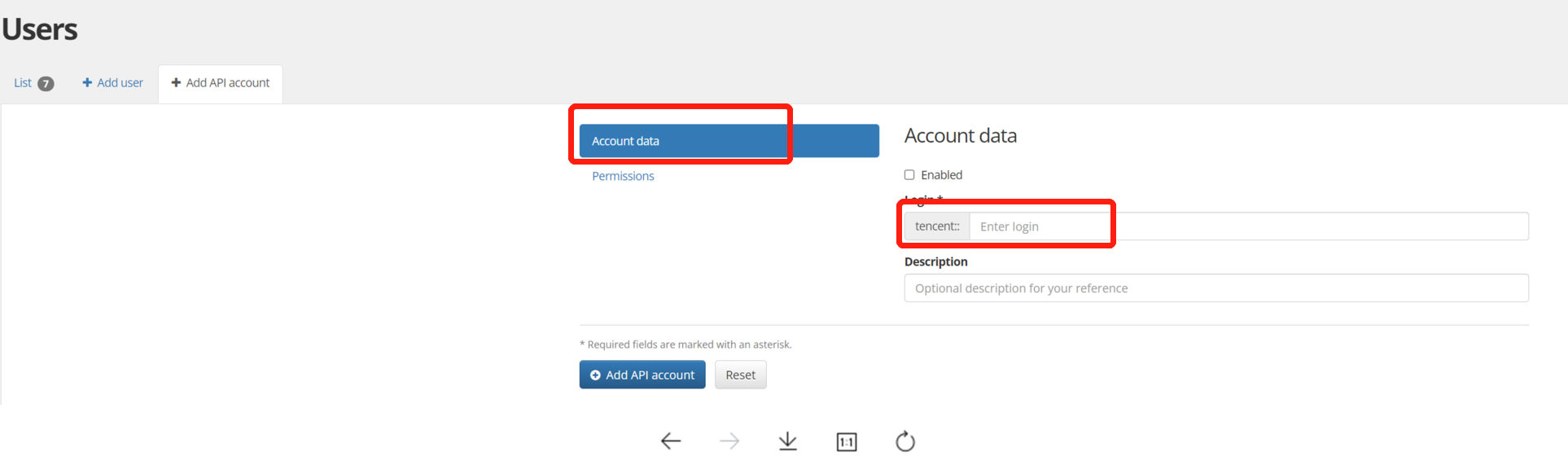
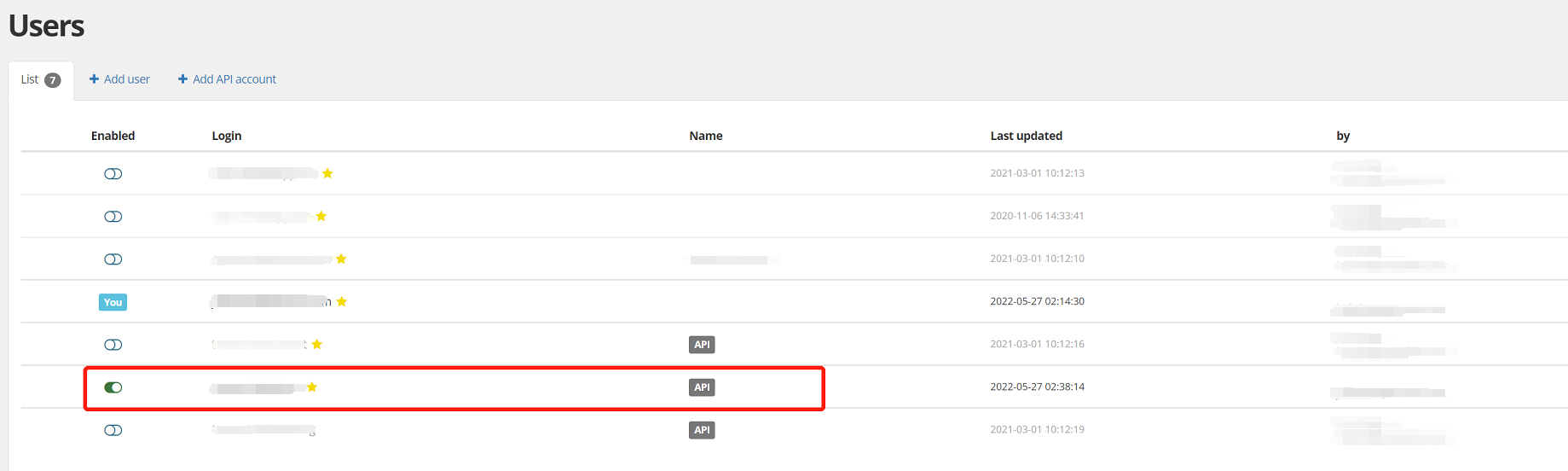
7. Go to the Users page. Add an API account, grant the permissions, and note the password.
Note:
The password will appear only once. Make sure you note your merchant API name and password.


Enable the API account you created:


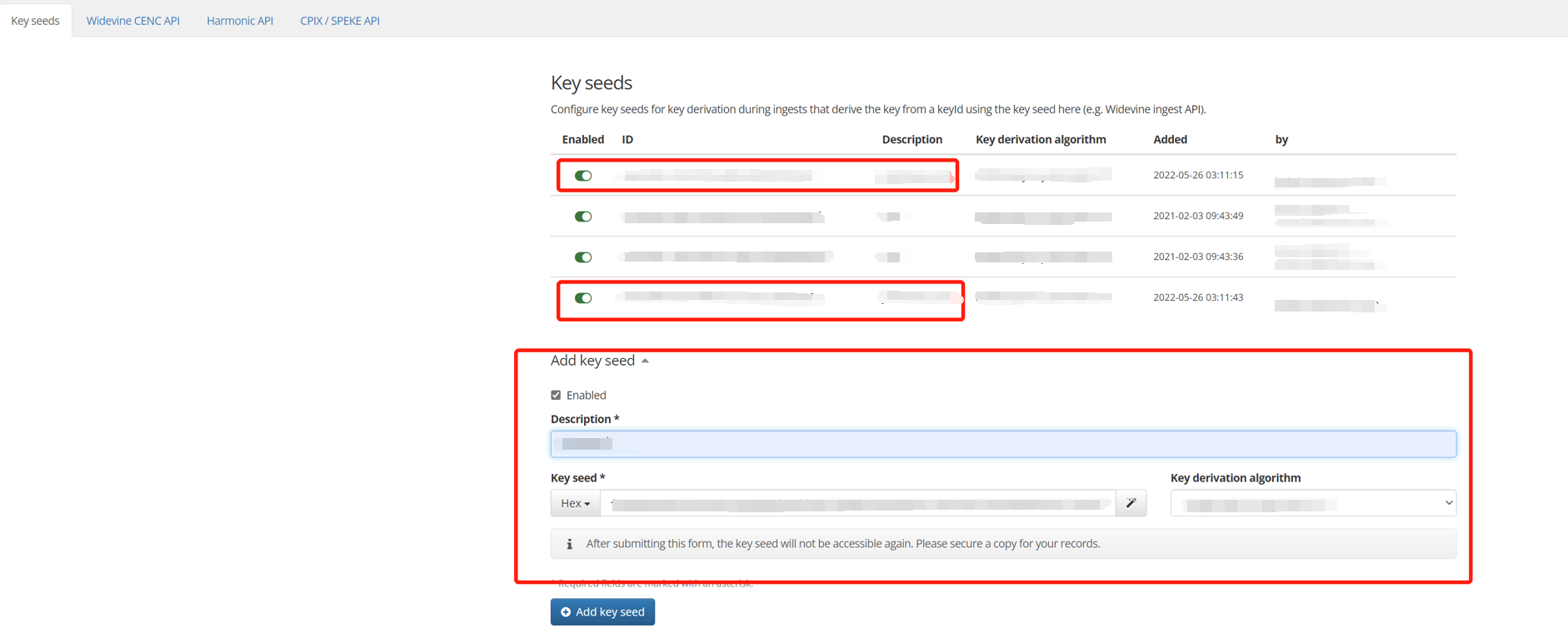
8. Go to Configuration > Ingest Settings. Add a key seed to generate the key (key seed ID) and IV (IV seed ID)
Note:
A key generated by a key seed can be viewed multiple times. You can provide it to your DRM encryption provider. For simple encryption with HMAC SHA512, you can use the key seed and key ID to generate an HMAC SHA512 string and use the first 16 characters of the string as the key or IV.


9. After obtaining the merchant name, merchant UUID, merchant API name, merchant API password, and key seed ID, and IV seed ID, enter the information in DRM Management of the CSS console.


Note:
If you encounter any problems while trying to obtain the above information, please submit a ticket. We will help you navigate the process.
Help and Support

Was this page helpful?

Help us improve! Rate your documentation experience in 5 mins.

Feedback